About MANNA
Manna Korean FNB Corporation was established in Davao City, Philippines. The founding decision was based on a specific observation: the Philippines had a growing Korean food consumer base. The market included both imported and locally produced kimchi — but locally manufactured supply at consistent refrigerated retail scale was effectively absent.
The founding premise was that locally manufactured kimchi, produced under controlled fermentation conditions and distributed with an unbroken cold chain, would be both higher quality and more commercially viable than imported alternatives.
Company Overview
Kimchi fermentation follows a controlled process designed to reach and maintain optimal
lactic acid bacteria activity before products enter the distribution network.
Key parameters monitored throughout fermentation

Temperature consistency

Fermentation duration

pH progression

Batch-level quality verification prior
to release
Products are not released for distribution until fermentation parameters
meet internal specifications.
Two-Phase Development
Phase 1 — System Construction (Years 1–4)
The first phase of the company’s development was not about revenue. It was about building a system that worked. This required operating at a loss for an extended period while establishing the production process, cold chain infrastructure, store relationships, and the PSQ-DSA-EEQ replenishment framework.
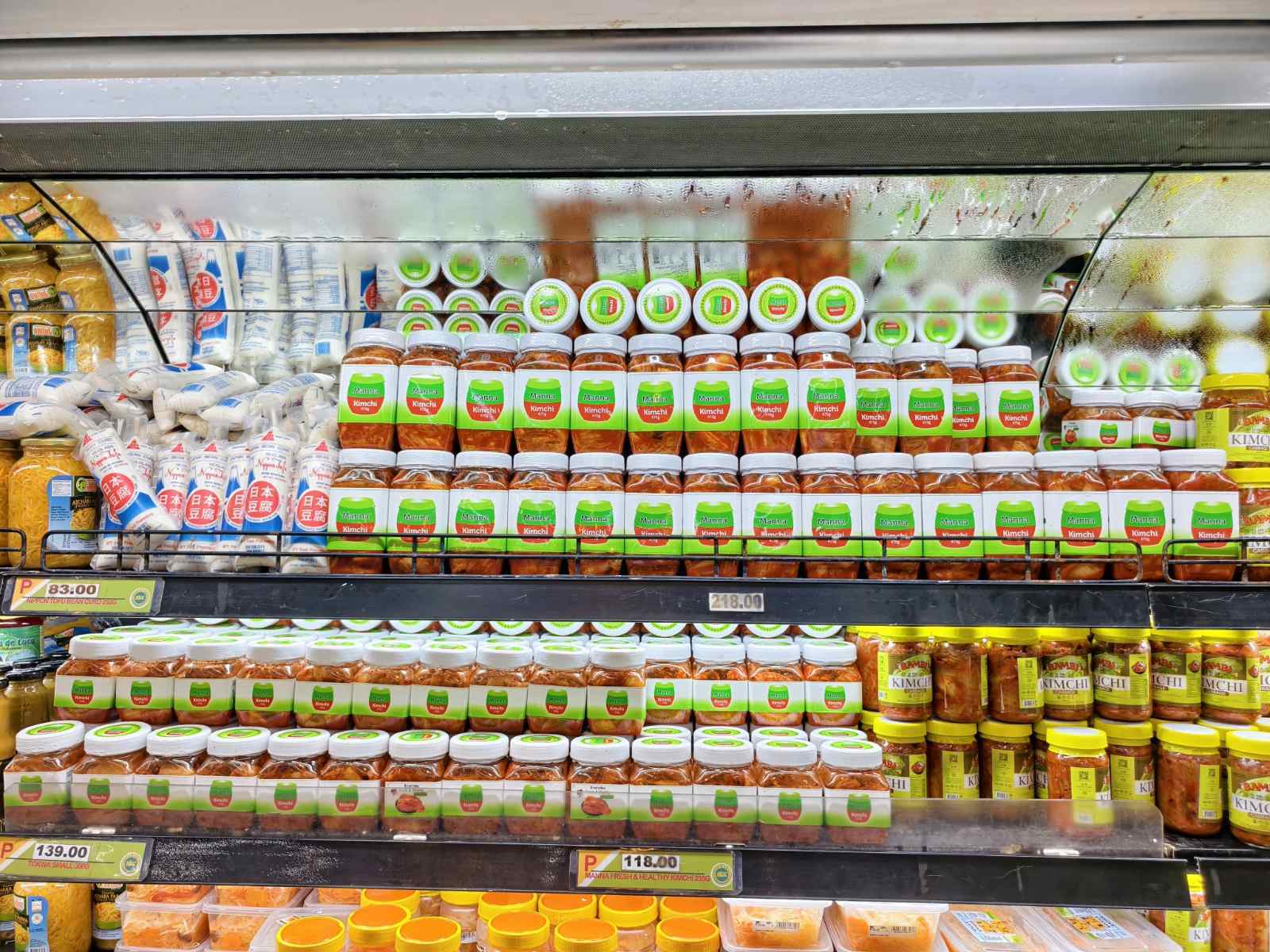
During this phase, the priority was proving that the model was operationally viable — that a single facility in Davao could supply a growing network of retail stores across multiple islands with consistent quality and near-zero disposal.
Phase 2 — Network Expansion (Year 5 onward)
With the operational model proven and stable, the focus shifted to network expansion. The same system that was built and tested across Mindanao and Visayas is now being extended — with Luzon as the next major geography, targeting a dedicated production facility in the first half of 2027.
Cold Chain
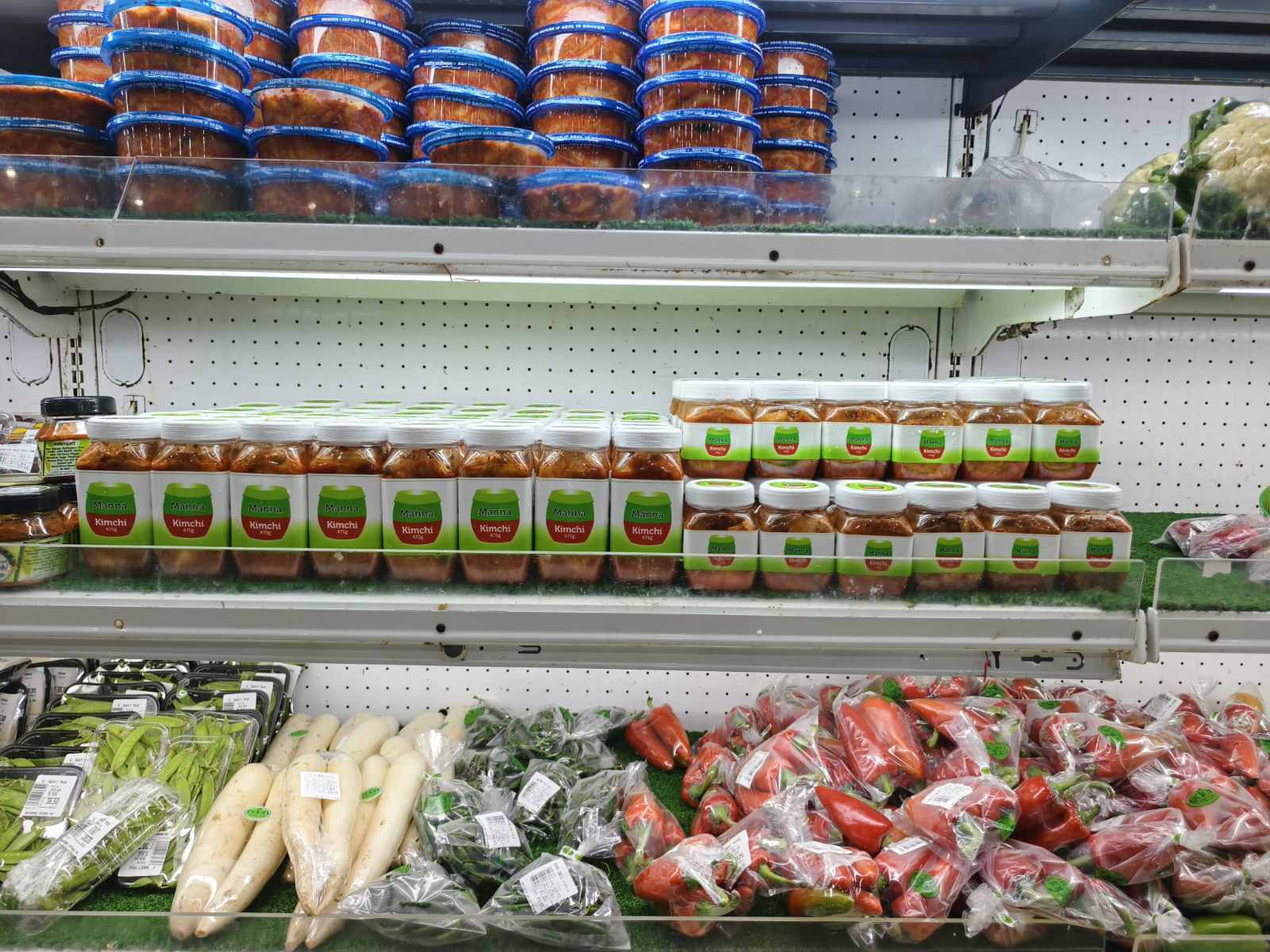
Refrigeration is maintained continuously from the point of production through delivery to the retail display. There is no ambient temperature break in the supply chain between the production facility and the store shelf.
Products are transported in insulated boxes with ice — a deliberate choice over refrigerated vehicles. This method removes the maintenance requirements and operational complexity associated with refrigeration units, while maintaining stable per-unit temperature independently of door opening frequency during multi-stop deliveries.
Products are delivered directly to retail display — not to back rooms or receiving areas.
Founder Background
The company was founded by Jonghwan (Richard) Ryu, Founder & CEO, a Korean entrepreneur with prior business experience in the Philippines. The decision to manufacture locally rather than import was deliberate — and so was the decision to build a direct distribution system rather than rely on existing logistics networks.
The distribution model was not adopted from industry convention. It was designed from first principles: what does it take to get a fresh fermented product from production to consumer with quality intact? The answer to that question determined the structure of the operation.
Corporate Philosophy
We do not claim to be the largest kimchi producer. We do not claim to have the most stores. What we claim is that every unit we produce is handled with the same standard — from the fermentation chamber to the retail display.
This discipline was built through years of direct field execution. It holds only when applied consistently and without exception. Maintaining it is a daily operational commitment, not a marketing position.
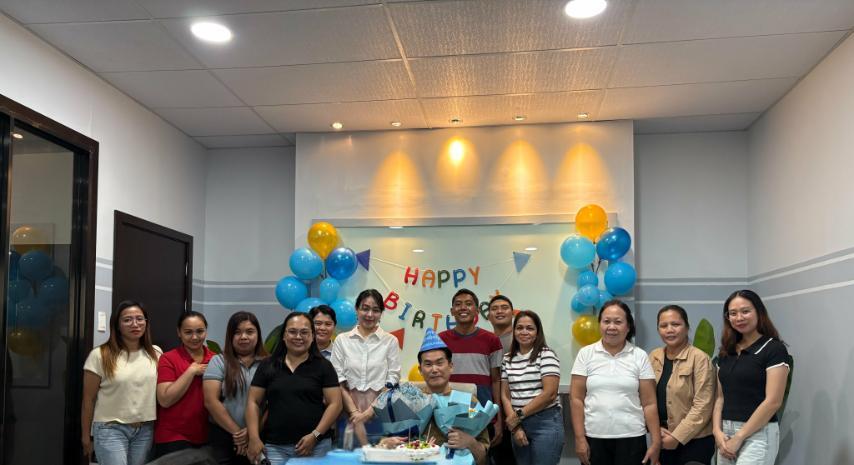
Facility Specifications
TOTAL AREA
1,500 sqm

Location
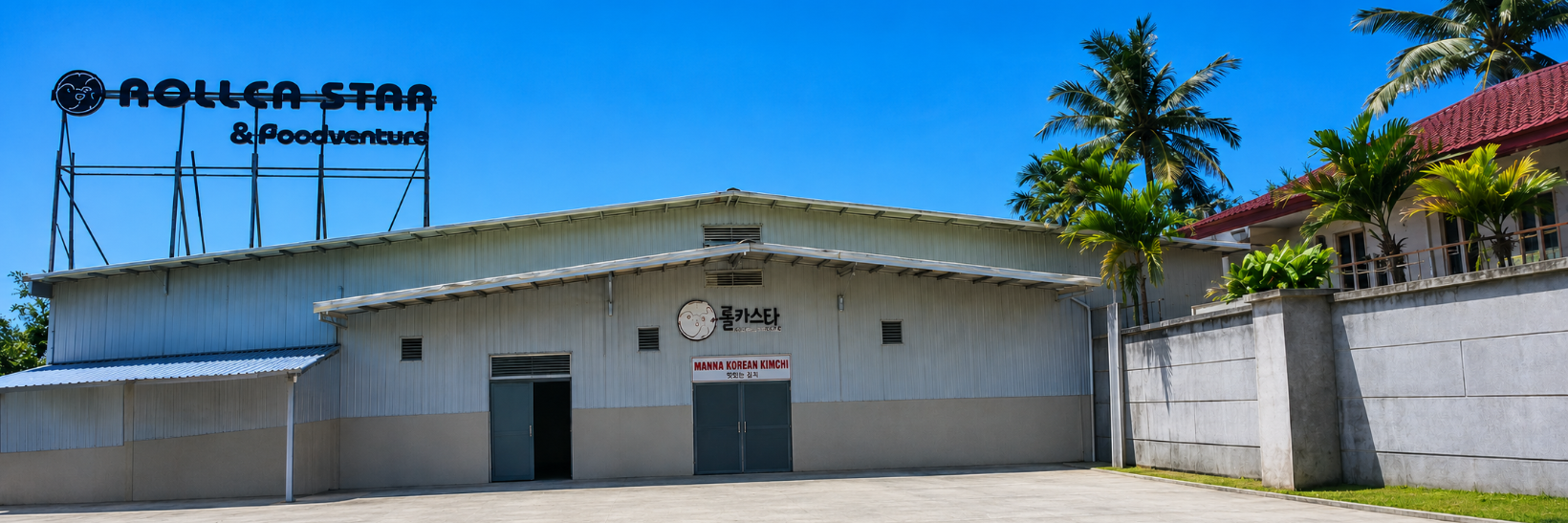
Gamma Project / Roller Star, Lanang Business Park, Davao City

Function
Raw material intake, fermentation, quality control, packaging, cold storage, and dispatch
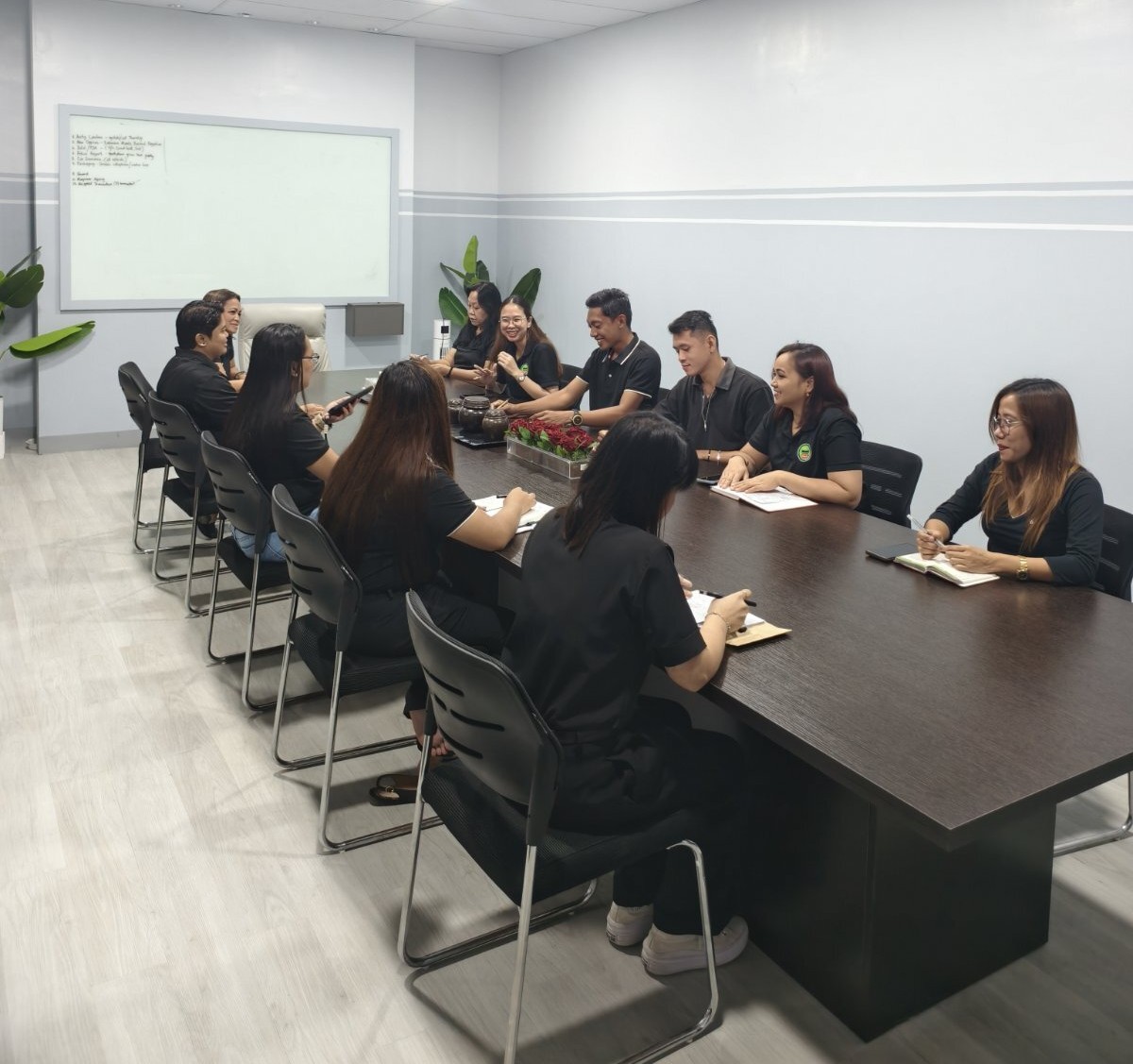
Production Capacity
- Annual production capacity: 800,000 units
- 2025 actual production: 649,454 units (235g and 475g formats combined)
- Capacity utilization: approximately 81%
- Production runs on a structured weekly schedule aligned with store replenishment cycles
Company Overview
Legal Name
Manna Korean FNB Corporation
Established
2016 (kimchi manufacturing & distribution)
Headquarters
Lanang Business Park Gamma Project/Roller Star
JP Laurel Ave. Brgy. Alfonso Angliongto Sr. Buhangin
District Davao City 8000
Production facility
Gamma Project / Roller Star, Lanang Business Park, Davao City
Products
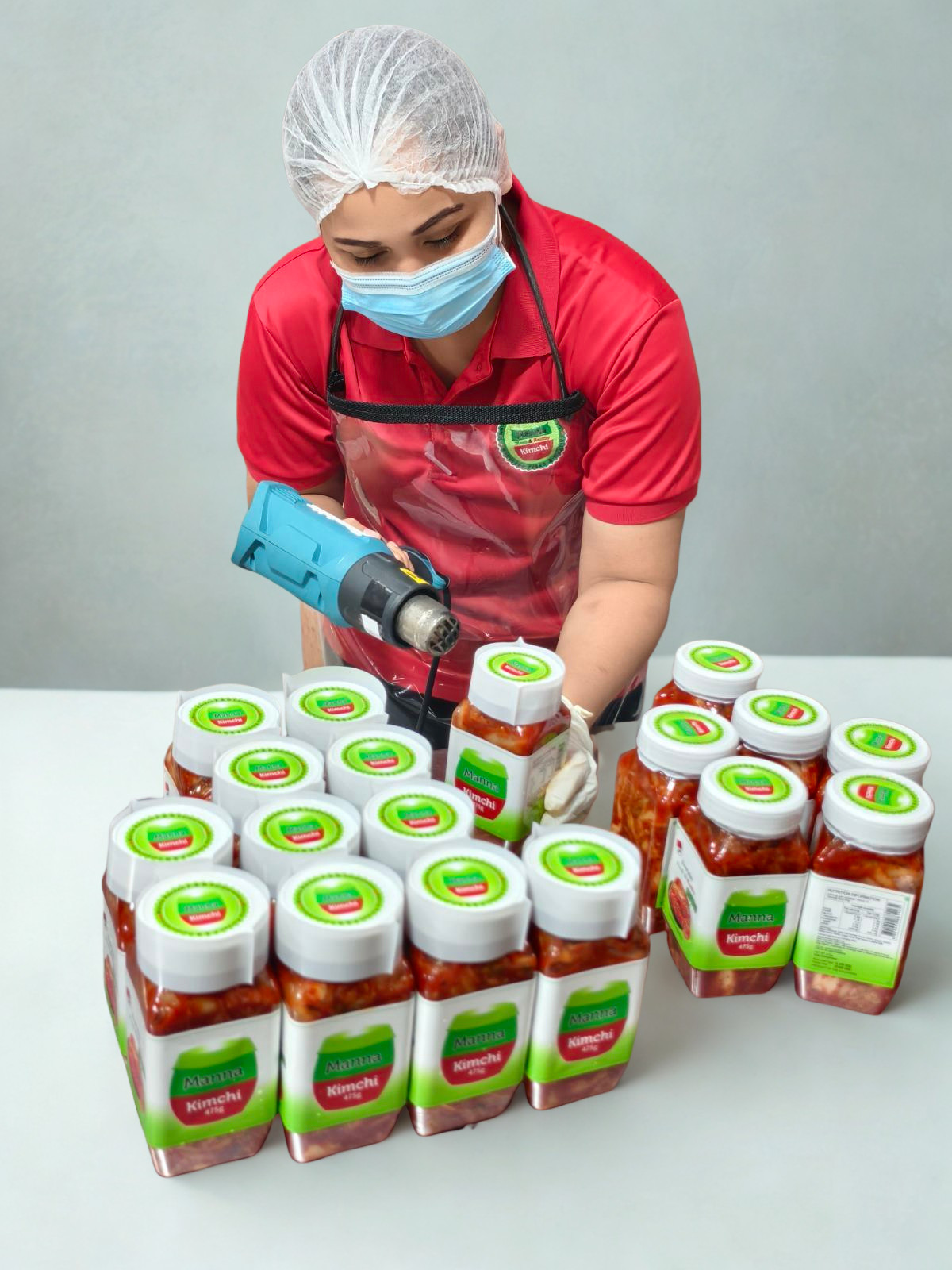
Fresh Radish and cabbage kimchi
Distribution
Direct-to-Store, 6 routes, 450+ retail stores
Coverage
(Mindanao ~170 + Visayas ~190 + Luzon 100+)
Cold chain
Refrigerated (0–10°C), end-to-end from production to shelf
Disposal rate
Under 1%
Disposal Rate
Fresh food consistently generates higher disposal rates than other food categories. Across Southeast Asia, food loss is estimated at approximately 17% of total food available — and fresh food disposal at retail level is understood to exceed this average.
Against this backdrop, our disposal rate of under 1% reflects the direct impact of production-date tracking, weekly replenishment discipline, and store-level inventory control.
The gap between our disposal rate and the industry average represents a measurable operational advantage. The larger the retail network this system is applied to, the greater the financial impact of that gap.*
Our disposal rate is under 1% — and we are able to provide precise production and disposal figures to qualified partners upon request.
*Source: World Economic Forum (2023) | *Reference: USDA Economic Research Service

Luzon Facility
Luzon operations are currently maintained at a selective scale. A dedicated production facility is under review, targeting the first half of 2027 — at which point full-scale Luzon operations will begin.
MANNA KOREAN
FNB CORP.
Quicklinks
Hours
Monday – Saturday
8:00am – 5:00pm
Sunday: Closed
Address
CONTACT
(082) 308 4074
09209009777
09177009777
mannakoreanfnb@gmail.com
Newsletter

© 2026 Manna Korean FNB Corp. All rights reserved.